

Grief is an inevitable part of being human. It’s the raw, unfiltered response to loss—of a loved one, a relationship, a dream, a sense of identity, or even a vision of how we thought life would unfold. In its natural form, grief is a powerful emotion meant to move through us. But when that grief is denied, suppressed, or never fully processed, it doesn’t just disappear. Instead, it takes on a heavy and congestive quality, becoming far more insidious: an attachment to suffering.
Emotional Stagnation: When Grief Gets Stuck
Grief that isn’t allowed to move not only becomes stagnant—it weighs us down and constricts our cognitive and emotional bandwidth. We may deceive ourselves into thinking we’ve moved on because time has passed or because we’re functioning in our day-to-day lives, but underneath it all, that unresolved grief is still very much alive. It seeps into our thoughts and expresses itself through patterns of reenactment in our relationships. We find ourselves reacting in ways we can’t fully explain—getting triggered, shutting down, or clinging to what we know isn’t serving us.
Unprocessed grief lives in the body as tension—tightness in the chest, jaw, gut, and throat. It makes our internal world heavy. This weight, while painful, can become strangely familiar. It becomes part of the emotional landscape we carry with us, and that familiarity creates a kind of comfort—even if it hurts. We begin to identify with the pain, to see ourselves through its lens. And that’s when suffering takes root.
The Illusion of Control and the Lure of the Familiar
One of the most misunderstood aspects of human psychology is our tendency to hold on to pain. For many, suffering becomes a form of control. Pain is something we know. It might be the only thing that feels real or reliable when everything else has collapsed. In the wake of loss, when our lives feel uncertain or unmoored, the grief becomes a tether to the past—a way to stay connected to what once was.
But what begins as a connection to the past becomes a prison in the present. We get stuck in mental and emotional loops—replaying conversations, imagining alternate endings, blaming ourselves, and going over what we should have said or done differently. This rumination doesn’t bring resolution. It keeps us fused to our suffering.
We also attach to grief because we’ve never been shown how to process it. Our culture tends to rush past pain, offering trite advice like “move on,” “stay positive,” or “everything happens for a reason.” In the absence of real support, people often internalize the idea that something’s wrong with them for still feeling the loss. So they don’t process the grief—they carry it, silently, unconsciously, and indefinitely.
Trauma and the Fear of Letting Go
For many, grief is compounded by trauma—especially relational trauma. When we lose someone or something we deeply loved or depended on, particularly after a history of abandonment or neglect, it can trigger deep-seated survival fears. Letting go of that grief can feel like letting go of the only thread that ties us to the love or connection we once felt.
The body and nervous system may resist release. There’s a fear that if we truly let ourselves feel the pain, it will overwhelm or destroy us. Or worse—that if we let go of the grief, we’re betraying the one we lost. So we cling. But this clinging keeps us stuck in a holding pattern—emotionally, energetically, and spiritually. We stop growing. We live in a feedback loop of pain, longing, and emotional reactivity.
Suffering as Identity
Over time, unprocessed grief can shape our identity. We begin to define ourselves by the wound. Our suffering becomes the lens through which we view the world, ourselves, and our relationships. While this may offer a sense of meaning or coherence—especially in the immediate aftermath of loss—it becomes a distorted foundation for the life we’re trying to build.
We may even begin to attract people or situations that mirror this pain back to us. Suffering becomes a vibrational pattern we emit, drawing in those with similar unresolved grief. Sometimes, relationships form around shared pain, but rather than offering true healing, they often reinforce the original wound.
What’s more, unprocessed grief can unconsciously pull us toward people who say and do things that intensify our pain—whether through subtle forms of neglect, dismissal, or betrayal, or more overt expressions of emotional cruelty, verbal assault, or physical harm. These dynamics may not always be intentional, but they strike at our most tender places, reopening wounds we’ve never fully healed. Over time, this reinforcement deepens our identification with suffering, making it even harder to break free.
The Path Forward: From Attachment to Alchemy
To break the attachment to suffering, we must be willing to feel what we’ve never fully allowed ourselves to feel. This isn’t about wallowing or drowning in pain—it’s about developing the capacity to digest our lived experiences and emotional responses. We start by acknowledging what has taken place—or what is currently happening—and what we feel in response. We notice what we’re feeling and where it’s situated in our bodies. Then we breathe—softly and deeply—while fully immersing our awareness in the depths of whatever feelings or sensations arise.
When we allow the grief to surface and work its way through us, something profound happens. We begin to metabolize the pain. The emotions, once frozen or stagnant, begin to move. And in these movements, we experience a lightening. We gain clarity, resilience, and a renewed connection to life. Our emotional range, our sense of possibility, and our capacity to love again increases.
Digesting our lived experiences and feelings of grief isn’t about forgetting or dissociating from our past. It’s about embracing our experience—and life as it unfolds—while transforming our wounds into wisdom, passion, and fuel for growth. It’s about reconnecting with the authentic core of our being—the part of us that guides us forward with greater compassion, humility, and depth.
Healing isn’t the erasure of pain. It’s the alchemy of it. It’s what happens when we finally turn toward what hurts with the intention to feel, learn, and grow. And when we do, we loosen the grip of suffering and step into the fullness of who we’re meant to become.
Breaking the Cycle of Long-Held Suffering
Grief doesn’t just pass with time—it accumulates within the body, compounding with each subsequent loss. It builds during those long stretches we’ve spent alone in the search for love. Over time, this accumulation alters the biochemistry of our brains and changes how our minds function. Sadness, grief, and other painful emotions become deeply habituated, shaping the very lens through which we perceive ourselves, others, and the world around us.
As these emotions take root, they form a dense, stagnant presence within the body. The emotional residue, combined with neurochemical changes, creates the foundation for long-standing patterns of suffering—patterns that many people remain stuck in for years, if not decades. For some, this pain becomes so deeply embedded in their bodies and minds that they carry it indefinitely, often reenacting the same losses and emotional wounds again and again.
That’s why it’s absolutely crucial to make use of the most powerfully effective therapeutic interventions. Deep tissue bodywork can help dislodge the emotions trapped within the musculature and nervous system. And as these emotions rise to the surface, we begin to access them—breathing into the pain with our awareness fully immersed in the depths of what we’re feeling. This kind of presence enables the emotional digestive process to unfold.
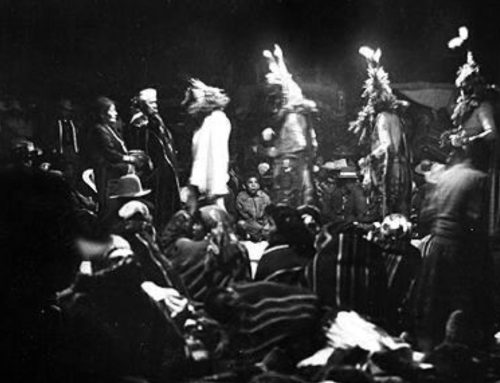
Most people today are unfamiliar with the traditional healing practices used by Native Americans and other indigenous peoples. But in my own experience, they have proven to be the most deeply transformative. The sessions I’ve received from gifted healers—and the vision quest, a traditional Native American practice that involves fasting alone in the mountains for four days and nights without food or water—have done more than anything else to help me heal.
There were times on the mountain when I could feel an extraordinarily powerful presence descend into my body. In those moments, past traumas and more recent adversity would begin to surface, flashing rapidly through my awareness. And as that happened, I could feel this presence working within me—helping to digest my lived experiences and the highly charged emotions attached to them. Through this process, the suffering I had carried for so long began to be transformed into fuel for growth.
Having trained with a traditional Native American doctor (medicine man) from the Kiowa Tribe and gone through many vision quests, I now work as a conduit—just as indigenous healers have done for centuries. This presence works through me to facilitate the same kind of transformation in the bodies and minds of those I work with. The devastation of breakups, divorce, ghosting, and other painful losses, along with the backlog of unprocessed grief and sadness, begins to clear. And you come out the other side with a growing sense of lightness and freedom—and an increased capacity to love and be loved.
If you’re feeling called to work with me, you can click the link to message or call me directly at (332) 333-5155.





Leave A Comment